




Table of Contents
ToggleThe Warzone shop is where cosmetics come alive, and where your wallet goes to disappear. Whether you’re hunting for the latest operator skins, chasing exclusive weapon blueprints, or trying to figure out if that battle pass is actually worth it, the shop can feel overwhelming if you don’t know what you’re looking at. With seasonal rotations, limited-time offers, and crossover collections dropping constantly, it’s easy to overspend on skins that won’t move your needle competitively but absolutely will make you feel better dropping into Verdansk. This guide breaks down exactly how the Warzone shop works, what’s worth buying, and how to maximize your spending without blowing your budget on every shiny new cosmetic. We’ll cover operator skins, battle pass mechanics, weapon blueprints, and smart shopping strategies that separate savvy players from impulse buyers.
Key Takeaways
- The Warzone shop uses two currencies—premium CoD Points (real money) and in-game Credits—with cosmetics serving purely visual purposes that don’t affect competitive gameplay.
- Premium battle passes cost $9.99 per season and reward enough CoD Points to fund future passes, making them legitimately worthwhile for consistent players willing to invest 20–30 hours per season.
- Operator skins and weapon blueprints bundled together typically offer 15–25% savings compared to standalone purchases, making bundles the smarter choice for multiple cosmetics.
- Set a fixed monthly cosmetic budget and wait 24 hours before impulse purchases to avoid overspending; limited-time Warzone shop items create artificial scarcity, but exclusivity doesn’t justify unnecessary spending.
- Seasonal sales and discounts rarely apply to limited-time crossover cosmetics (Batman, Rambo, anime collabs), so act during their exclusive windows if genuinely interested rather than waiting for price drops.
- Track which operator skins and cosmetics you actually equip in matches to avoid purchasing items you’ll never use, and prioritize weapon blueprints that match your actual loadout weapons.
What Is The Warzone Shop And How Does It Work
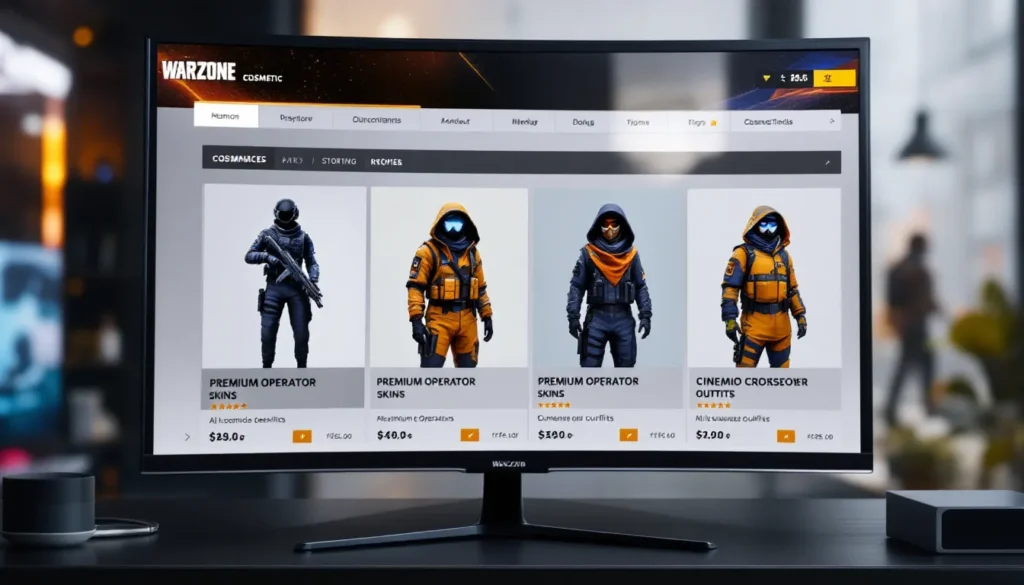
The Warzone shop is your digital storefront for cosmetics, battle passes, and operator bundles. It’s where Activision sells cosmetic items, nothing pay-to-win, just visual customization. Every time you boot up, the shop rotates with fresh items, limited-time bundles, and operator skins that won’t appear again for weeks or months.
The shop operates on two currencies: CoD Points (premium, real money) and Credits (earned in-game). The rotation happens daily, though some items stay for extended periods. You’ll see featured sections rotating operator skins, weapon blueprints, tracers, finishing moves, and bundles bundled together at discounted prices. These aren’t random, Activision strategically places items to drive sales during seasonal events, holidays, or crossover content drops.
One key thing: the Warzone shop is interconnected with Modern Warfare III, Warzone, and Warzone Mobile. An operator skin purchased in one game carries to the others, so you’re not buying separately for each title. This unified system means your cosmetics follow you across platforms (PC, PlayStation, Xbox, mobile), making expensive operator skins a bit more justified, you get more value per purchase.
Understanding the shop’s mechanics means knowing when to buy and when to wait. Items marked “Featured” typically stay 24 hours or longer, giving you time to decide. Limited-time bundles, though, vanish after their window closes, sometimes never returning. That’s the psychological hook that drives impulse purchases.
Shop Currency And Payment Options
CoD Points And Credits Explained
CoD Points are the premium currency, purchased with real money. Prices vary by region, but a standard 500 CP tier costs around $4.99. Higher tiers offer slight discounts, buying 13,500 CP at once costs less per point than buying 500 three times. For an operator skin (typically 2,000–3,400 CP), you’re looking at roughly $20–$25 depending on exclusivity and bundle pricing.
Credits are earnable in-game currency, but here’s the catch: you earn them slowly. Multiplayer modes, Warzone matches, and seasonal challenges reward credits, but grinding enough for a high-cost operator skin takes serious playtime. A single operator skin costs 3,400 credits at base price, while a typical match might earn you 50–100 credits. The math doesn’t favor free players trying to grab premium cosmetics, it’s designed as a currency for smaller purchases like weapon blueprints or battle pass tiers.
The key difference: CoD Points are exclusive to real-money purchases. Credits let you dabble in cosmetics without spending, but they cap your purchasing power. New Warzone operator skins and call of duty collabs almost always launch in the 2,000–3,400 CP range, making real money the only practical option for immediate access.
Purchasing And Spending Safely
Before you drop cash, set a budget and stick to it. It’s stupidly easy to justify “just one more skin” when you’re already in the shop. A practical strategy: decide upfront how much you’ll spend monthly on cosmetics, $10, $20, $30, then stick to it religiously.
Activision’s client is generally secure, but use standard precautions: enable two-factor authentication, don’t share your account details, and be wary of third-party retailers claiming to sell discounted CoD Points. Legitimate purchases only come through the game client or official platforms like the PlayStation Store or Xbox Marketplace. Some sketchy sites claim lower prices, but they’re not worth the account ban risk.
Watch for price traps. A weapon blueprint listed at 1,400 CP might seem steep until you realize it bundles a finisher, a tracer, and a sticker pack, suddenly the value’s clearer. Compare standalone prices versus bundle prices before assuming you’re getting gouged. Bundles typically offer 15–25% savings versus buying items separately, making them the better play if you want multiple cosmetics.
One more thing: seasonal sales sometimes drop prices on older cosmetics. If you’re eyeing a weapon blueprint or operator skin from last season, it might hit a discount in upcoming sales events. Patience occasionally pays off, though limited-time crossover skins rarely discount, they’re exclusivity cash grabs.
Operator Skins And Cosmetics
Exclusive Operator Bundles Worth Your Money
Operator skins are the flagship cosmetic. Call of duty new skins launch constantly, often bundled with weapon blueprints, execution animations, and calling cards. Not all operators are created equal, some offer competitive advantages through visibility (darker skins blend into shadows better) or psychological edge (you feel cooler, you perform slightly better, science-lite but real).
The most expensive operators sit at 3,400 CP ($27–$30), typically reserved for exclusive crossover content. Call of duty collabs with franchises like Nolan’s Batman, Rambo, or anime properties command premium prices because they’re limited runs. Standard seasonal operators hover around 2,000–2,400 CP. The price difference comes down to exclusivity and licensing, a Nolan Batman skin costs more because Warner Bros. gets a cut.
Bundles pairing an operator with a matching weapon blueprint, execution finisher, and sticker pack offer genuine value. Instead of paying 2,400 CP for the operator alone, a 3,400 CP bundle gives you three additional cosmetics. That’s roughly 850 CP per item versus standalone pricing. If you actually use those weapons (like pairing a pistol operator with a matching pistol blueprint), bundles are almost always the move.
Here’s the competitive angle: operator skins don’t affect gameplay, but new warzone operator skins from recent seasons often feature visual design that makes them easier to spot at distance or harder to see in shadows. Older, “sweaty” skins like Woods or Roze from past seasons became meta because their hitboxes looked smaller (they’re not, but perception matters). If you’re grinding ranked, an operator skin that’s been around for a season or two is safer than the flashiest new drop, you know how it looks in-game versus on the shop preview.
Rarity Tiers And Value Breakdown
Operator skins fall into rough rarity tiers:
Legendary (Crossover/Exclusive): 3,000–3,400 CP. Batman, Rambo, anime collabs, celebrity skins. These are one-time or limited-window drops that rarely return. Buy now or regret later.
Epic (Seasonal/Signature): 2,000–2,400 CP. Seasonal operators, character variants, story-driven cosmetics. These rotate back occasionally but aren’t guaranteed returns.
Rare (Standard Operators): 1,200–1,600 CP. Alternate skins for existing operators, past seasonal cosmetics on discount. These are your bread-and-butter purchases if you want variety without premium pricing.
Uncommon (Budget Options): 300–800 CP. Operator cosmetics, blueprint variants, simple recolors. Affordable and great for dipping your toe into the shop without commitment.
For value, rare-tier operators bundled with a weapon blueprint and finisher offer the best bang-for-buck, you’re getting three cosmetics for roughly 3,000–3,400 CP total. Standalone legendary skins are pure flex purchases: they don’t perform better, they just announce “I spent money and have taste” (or “I have no impulse control,” depending on perspective).
One practical tip: seasonal operators released mid-season often hit discounts weeks later. If you miss the launch hype, wait a month and snag them cheaper. Exception: crossover limited-time skins rarely discount, they’re gone when the window closes.
Seasonal Battle Pass And Premium Rewards
Battle Pass Progression And Unlock Structure
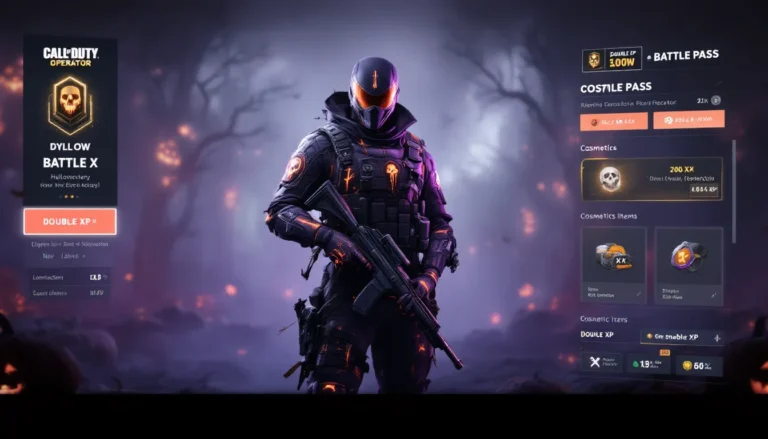
The battle pass is Warzone’s seasonal progression system. Every season lasts roughly six weeks, and each battle pass contains 100 tiers of cosmetics, weapon blueprints, XP boosts, and in-game currency rewards. You unlock items by earning XP, multiplayer matches, Warzone games, zombies (if applicable), and seasonal challenges all feed progress.
The free track gives you roughly 20 cosmetics spread across 100 tiers, enough to feel rewarded without paying. The premium track ($9.99 per season in most regions) unlocks the remaining 80 items. Base progression is the same: you just get access to more cosmetics per tier.
Key mechanic: the battle pass grants free CoD Points as rewards. Specifically, you earn roughly 1,400 CP total throughout a 100-tier premium pass. This means your first premium pass pays for itself, and subsequent passes are basically free if you complete them. The grind to tier 100 is doable for casual players, rough estimate is 20–30 hours of playtime spread across six weeks, or roughly 3–5 hours per week. Competitive or hardcore players hit tier 100 in days.
Tier skips cost 150 CP each. Do not buy them unless you’re absolutely desperate to unlock a cosmetic before season end. That’s a trap. For $15, you could buy next season’s premium pass instead.
Premium Vs Free Track Benefits
The free track includes:
- 2–3 operator skin cosmetics (alternates or recolors)
- 3–4 weapon blueprints
- 1–2 finishing moves
- XP tokens and battle pass tier skips
- Roughly 200 CP reward (partial refund toward next season)
The premium track adds:
- 3–4 additional operator cosmetics or variants
- 4–5 more weapon blueprints
- 2–3 finishing moves
- 2–3 legendary items (usually weapon blueprints or operator executions)
- Around 1,200 CP total (enough to nearly cover next season’s pass)
Value math: if you spend $9.99 and earn 1,400 CP back, your effective cost is negative after two passes. By season three, you’re essentially getting free cosmetics if you’re disciplined about using earned points for next season’s pass instead of splurging on rotating shop items.
Here’s the strategic play: buy the premium pass if you plan to play consistently. If you’re a casual “one or two matches per week” player, skip it. The free track’s cosmetics are respectable enough, and you’re not missing out competitively. If you’re grinding daily, premium is legitimately worthwhile, not for the cosmetics themselves, but because the earned CP essentially funds your cosmetic habit indefinitely.
Weapon Blueprints, Tracers, And Finishing Moves
Weapon blueprints are reskins of in-game guns with custom scopes, stocks, and attachment looks. They don’t change weapon stats, a blueprinted XM4 performs identically to a stock XM4. The benefit is purely visual: tracers (glowing bullet effects), custom iron sights, and aesthetic polish. For competitive play, they’re irrelevant. For vibes and YouTube clips? Invaluable.
Tracers are the eye candy. A gold tracer makes your bullets glow gold: a purple tracer leaves a violet trail. In fast-paced gunfights, tracers barely matter, but in tactical setups or squad gameplay, they’re psychological warfare, enemies see tracer fire and sometimes flinch or panic, even if the damage is identical. Popular tracer colors include neon green, gold, and purple. Rarity determines pricing: common tracers attach to cheaper blueprints (800–1,200 CP), while exotic tracers bundle with premium blueprints (1,600–2,400 CP).
Finishing moves (executions) are melee animations that play when you execute a downed enemy. They range from quick 3-second kills to elaborate 5-second animations. Pure cosmetic, pure satisfaction. A sleek execution can swing mood in a gaming session, if you’re running a Roze skin, matching her signature finisher makes sense. Standalone executions cost 1,000–1,200 CP: bundled versions often sit in the 1,400–2,000 CP range with a matching operator skin.
For weapon blueprints specifically, prioritize ones matching your loadout. If you run the XM4 as your primary AR, a custom blueprint with a clean sight picture is worth more than a blueprint for a gun you never touch. Watch for blueprint bundles pairing matching primary and secondary weapons, they often cost less than buying separately and ensure visual cohesion in your loadout.
One note on tracers: in competitive or ranked play, some pro settings disable cosmetic visibility to reduce screen clutter. So if you’re grinding ranked, fancy tracers won’t help your K/D, they’re purely for multiplayer or casual Warzone. This matters because tracers cost extra on blueprints: saving 200–300 CP by choosing a plainer blueprint might be smarter if you care about ranked performance more than aesthetics.
Limited-Time Offers And Seasonal Events
Rotating Shop Items And Availability
The Warzone shop rotates daily. “Featured” sections highlight items available for 24–72 hours, while “Coming Soon” previews show what’s dropping next. This rotation drives artificial scarcity, the fear of missing out is deliberate. An operator skin might not return for 6–12 months, making limited-time windows feel urgent.
Seasonal events (Halloween, Christmas, New Year, mid-season updates) bring exclusive cosmetics unavailable outside those windows. A Halloween operator skin won’t appear in the shop in February. This is where limited-time operators get their pricing power, miss the event, and you’re out of luck unless Activision brings it back next year.
The rotating shop also serves as a discovery mechanism. If you’re browsing casually, seeing a weapon blueprint you forgot existed might trigger a purchase. For players hunting specific cosmetics, this is frustrating. Your best bet: bookmark or screenshot cosmetics you want, note their rarity tier, and decide if they’re worth chasing or if waiting for a discount (if applicable) is smarter.
High-demand items return predictably. Operators tied to story seasons almost always cycle back mid-season or toward season’s end. Crossover skins are more volatile, a limited Batman collab might vanish entirely, or Activision might bring it back next year for another licensing window. If you’re eyeing an exclusive cosmetic and have the funds, don’t wait. The shop’s psychology is designed to reward impulsive buyers and punish the patient.
Exclusive Crossover Collections
Crossover cosmetics are the shop’s premium tentpoles. Call of duty collabs pull from major franchises: superhero films, anime, action movies, music artists, and esports players. These cosmetics cost 2,800–3,400 CP because licensing fees are baked into the price. A DC Comics Batman operator skin from Nolan films costs more than a standard seasonal operator because Activision paid for that partnership.
Crossover collections typically run 2–4 weeks. When they drop, the shop front-loads them, featured sections, limited-time bundles, and exclusive cosmetics everywhere. After the window closes, they vanish. Some return the following year (like recurring Halloween or Christmas cosmetics), but one-off partnerships rarely cycle back. If you want a Rambo operator or an anime-exclusive skin, the limited window is your only shot for months or years.
These cosmetics aren’t inherently better, they’re collector’s items. A standard seasonal operator performs identically, but owning an exclusive crossover skin signals you were there during that event. For collectors, completionists, and players who care about cosmetic prestige, crossover collections justify premium pricing. For competitive players? They’re nice-to-haves at best.
The strategy here: if a crossover aligns with your interests (you love Batman, anime, etc.), buy during the window. If you’re on the fence, wait. The shop’s psychological pressure fades once you step back. If the cosmetic returns next year or becomes available in a sale, you’ll be relieved you saved. If it doesn’t, you didn’t need it anyway.
Smart Shopping Tips For Maximum Value
Budgeting Your Spending And Avoiding Impulse Purchases
First rule: set a monthly cosmetic budget and treat it like a subscription. $10, $20, $30, whatever feels sustainable. Write it down. This isn’t deprivation: it’s intention. Once you hit your limit, you’re done until next month. No exceptions, no “just one more.”
Second rule: wait 24 hours before buying anything outside your budget. Sleep on it. If you still want it tomorrow, buy it. If you forgot about it, you didn’t need it. Impulse cosmetic purchases prey on the immediate dopamine hit of newness, not lasting satisfaction.
Third rule: compare value across tiers. A 3,400 CP legendary crossover operator versus a 2,000 CP seasonal operator, are you paying $10 extra for exclusivity or for perceived quality? If it’s exclusivity, ask yourself how much cosmetic FOMO is worth. If it’s quality or aesthetics, that’s legitimate.
Track what you actually use. Keep a mental (or literal) note of which operator skins you genuinely equip in matches. If you bought five skins but rotate between two, you’re overspending. Next season, be more selective. Buy fewer cosmetics but pick ones you’ll actually wear.
Avoid battle pass tier skips entirely. They’re the worst value in the shop, spending 150 CP to jump one tier is roughly $1.20 for five minutes of gameplay XP you’d earn anyway. If you’re running out of time before season ends, grinding out those last tiers is part of the experience. Paying to skip is pure waste.
One more psychological trick: when tempted by a shop item, ask: “Would I spend this money on the same cosmetic if it cost 100 CP more?” If the answer’s no, the price isn’t the real draw, it’s the artificial scarcity. Walk away.
Tracking Discounts And Finding The Best Deals
Activision rarely discounts cosmetics permanently, but seasonal sales happen. Around major holidays (Black Friday, New Year, mid-season events), older cosmetics sometimes drop 10–20% off. These sales aren’t guaranteed, but they’re predictable enough to plan around. If you’re eyeing an operator skin from two seasons ago, hold off until the next seasonal event.
Battle pass bundles occasionally offer value. Some seasons feature a “premium pass + 1,000 CP bonus” bundle for roughly $15 instead of $10 for the pass alone. That’s an extra 1,000 CP for $5, better value than buying CP directly if you planned to grab a pass anyway.
Weapon blueprint bundles are where value hiding happens. A blueprint listed at 1,400 CP individually might bundle with a finisher and operator cosmetic for 2,400 CP, that’s three cosmetics for 600 CP more, or roughly 800 CP per item. Compare bundle prices against standalone items before deciding.
For tracking, gaming news sites like Dexerto and The Loadout frequently cover shop rotations and highlight value bundles. Gaming communities on Reddit (r/blackops6, r/warzone) also share shop analysis. If you’re genuinely trying to maximize value, a 30-second scroll through these communities can reveal whether a bundle’s actually a deal or just good marketing.
Last tip: avoid purchasing CP outside the game client. Third-party retailers claiming discounted points are sketchy and risk account suspension. Legitimate sales only happen within the official game shop, pay the standard rates, no shortcuts.
Conclusion
The Warzone shop is intentionally designed to separate you from your money, but understanding its mechanics takes the edge off that pressure. You now know how currencies work, which cosmetics offer actual value versus hype, and how to spend intentionally instead of impulsively.
The golden rules are simple: set a budget, wait 24 hours before major purchases, and prioritize cosmetics you’ll actually use. Battle passes are legitimately worthwhile if you play consistently, the earned CP effectively funds future cosmetics. Operator skins and weapon blueprints are purely cosmetic, so buy what makes you happy, not what makes you feel FOMO-pressured.
Limited-time crossover cosmetics require decisions, but exclusive doesn’t mean essential. If a skin speaks to you, grab it. If you’re just chasing scarcity, step back. The shop will rotate new cosmetics weekly: there’s always something coming. Being selective today means you’ll actually enjoy the cosmetics you own, and your wallet will thank you for not funding Activision’s art department at full capacity. Play smart, spend intentionally, and enjoy the skins you choose.