





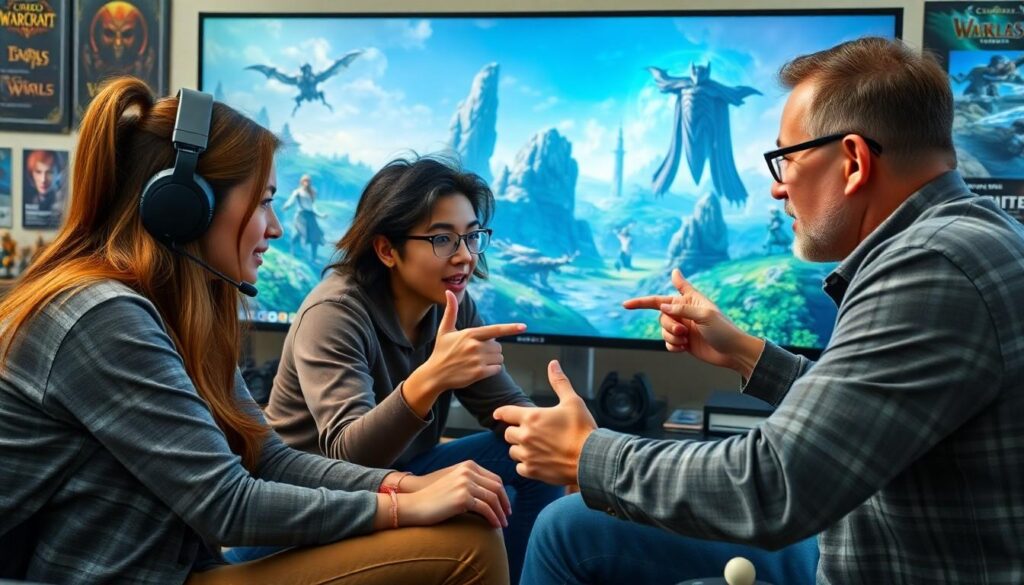
In a world where dragons soar and heroes rise, MMORPGs offer an escape like no other. Players dive into vast realms filled with epic quests, daring battles, and friendships forged in the heat of virtual combat. But with so many options out there, how do you choose which digital universe to call home?
Overview of MMORPGs
MMORPGs, or Massively Multiplayer Online Role-Playing Games, create expansive virtual worlds where players engage in quests, battles, and collaborations. Players can interact with thousands of others globally, forming guilds and communities. Choices in game mechanics and storylines define player experiences.
Character customization plays a vital role in many MMORPGs. Players often create unique avatars, selecting traits, appearances, and classes. Variety among classes contributes to strategic gameplay, where each class possesses distinct abilities.
The gameplay mechanics in MMORPGs emphasize exploration, combat, and teamwork. Players embark on quests that range from defeating powerful enemies to gathering resources. Participation in group events, such as raids or dungeons, fosters cooperation and enhances social bonds.
Game developers continually expand MMORPG worlds. Regular updates introduce new content, including quests, areas, and items. This ongoing development keeps the community engaged and encourages players to return.
Economic systems within these games also attract attention. Players trade items and currency, mirroring real-world economics. In-game marketplaces allow for buying, selling, and crafting, adding depth to player interactions.
Experiencing different universes contributes to the adaptability of MMORPGs. From fantasy realms to futuristic settings, themes vary significantly. This diversity allows for a broad audience to find appealing options, catering to various interests and preferences.
Criteria for Popularity

Popularity among MMORPGs hinges on several key criteria that resonate with players. This section examines these essential aspects.
Player Base Size
A large player base contributes significantly to the popularity of MMORPGs. Games boasting millions of active players often create vibrant worlds brimming with life. Interaction among a sizable community fosters dynamic environments where players can engage with one another. Gamers frequently seek immersive experiences that come from shared adventures and interactions. Titles like “World of Warcraft” and “Final Fantasy XIV” exemplify this trend, showcasing dedicated fan bases that enhance game longevity.
Game Mechanics
Engaging and varied game mechanics play a crucial role in defining the appeal of MMORPGs. Systems that integrate rich storytelling, combat strategies, and exploration opportunities attract players looking for depth. Players appreciate mechanics that offer diverse character builds and customization options to create unique gameplay experiences. Moreover, games incorporating challenge and reward systems keep players motivated over time. Well-designed mechanics, like those found in “Guild Wars 2” and “Elder Scrolls Online,” elevate the gaming experience and sustain interest.
Community Engagement
Community engagement shapes the overall health and enjoyment of MMORPGs. Developers promoting communication and cooperation among players cultivate strong social ties within the game. Events, forums, and guilds facilitate interaction, encouraging players to form friendships beyond gameplay. Active community management that listens to feedback enhances loyalty and investment in the game. Titles that host in-game events, contesting activities, or seasonal updates show a commitment to their player base, resulting in a more enriched gaming environment.
Top Contenders for Most Popular MMORPG
The MMORPG landscape features several noteworthy titles that have garnered dedicated player communities.
Game 1: Features and Gameplay
World of Warcraft consistently ranks among the most popular MMORPGs, known for its expansive lore and vibrant world. Players embark on epic quests, engaging in both PvE and PvP content. Character classes offer diverse playstyles, allowing for tailored gameplay experiences. Raids and dungeons require teamwork, fostering a strong sense of community. Frequent expansions introduce new content, ensuring players remain immersed and challenged.
Game 2: Features and Gameplay
Final Fantasy XIV captivates with its rich storytelling and stunning graphics. Players explore the realm of Eorzea, choosing from various character classes that contribute to versatile combat strategies. The game’s crafting and gathering systems encourage players to engage beyond combat. Seasonal events and collaborations maintain player interest, while regular updates enhance gameplay. Its welcoming community further adds to the engaging atmosphere, attracting players from different backgrounds.
Game 3: Features and Gameplay
The Elder Scrolls Online offers a unique blend of the series’ narrative-driven experiences with MMORPG mechanics. Set in Tamriel, players enjoy the freedom of open-world exploration and questing. Customization options provide players with a sense of individuality, enhancing overall immersion. The game features engaging combat, with various build options enhancing strategic gameplay. Regular expansions and updates introduce new areas and storylines, keeping the experience fresh for dedicated fans.
Trends Influencing MMORPG Popularity
Several trends shape the popularity of MMORPGs today. Understanding these trends helps players appreciate the dynamic nature of these games.
Emerging Technologies
Advancements in technology significantly impact MMORPG experiences. Virtual reality (VR) immerses players in rich environments, enhancing engagement. Cloud gaming offers seamless access, allowing players to join their favorite games across devices. Additionally, artificial intelligence (AI) improves non-player character behaviors, making interactions feel more realistic and dynamic. The rise of next-gen consoles further pushes graphical fidelity, creating stunning visuals. These technologies combine to craft deeper, more engaging gameplay experiences that attract new and returning players.
Changing Player Preferences
Shifts in player preferences influence game design and features. Social interaction takes precedence as gamers seek meaningful connections in virtual worlds. Story-driven content caters to a desire for immersive narratives, focusing on narrative depth and character development. Players increasingly appreciate customization, desiring unique avatars that reflect their personalities. Additionally, increased demand for accessibility leads developers to implement features supporting diverse playstyles. Competitive elements also gain traction, appealing to players who enjoy a challenge. These evolving preferences guide developers in creating more inclusive and engaging MMORPGs.
Conclusion
The world of MMORPGs continues to thrive as players seek immersive experiences filled with adventure and community. With a variety of themes and gameplay mechanics available there’s something for everyone. As developers innovate and adapt to player preferences the landscape of these games evolves, ensuring they remain dynamic and engaging.
Whether it’s the rich storytelling of “Final Fantasy XIV” or the expansive realms of “World of Warcraft,” the most popular MMORPGs are defined by their ability to foster social connections and provide endless opportunities for exploration. As technology advances and player expectations shift, the future of MMORPGs looks promising, inviting new players to join the adventure.