






Table of Contents
ToggleCall of Duty Season 4 has arrived, and it’s packed with the kind of content that keeps players grinding for weeks. Whether you’re dropping into Warzone for another run or settling in for the latest campaign chapter, this season brings significant weapon rebalancing, fresh maps, new operators, and a competitive scene that’s heating up. The COD Warzone season 4 release date marked the beginning of a new meta, and the franchise isn’t slowing down. If you’ve been away or just want to know what changed, we’ve got everything covered, from the new arsenal to esports developments and gameplay strategies that’ll help you dominate.
Key Takeaways
- Call of Duty Season 4 overhauls weapon balance with assault rifles receiving a 12% damage nerf while SMGs gain an 8% mobility buff, reshaping the competitive meta significantly.
- Two new operators, Keegan Russ and Yuki Takeda, join the roster alongside a redesigned battle pass featuring 100 tiers with creative weapon blueprints and cosmetics accessible to both paid and free-to-play players.
- The campaign delivers a three-chapter story arc with meaningful character development and mission variety, offering four difficulty tiers from Recruit to Veteran with optional stealth and loud approach paths.
- Ranked play introduces a hard reset requiring only 65% win rate for climbing and now prioritizes objective play through point multipliers, making competitive progression more achievable for above-average players.
- Zombie mode progression shifts to an Essence currency system tied to round milestones, introducing new enemy types like Sappers, Templars, and Harvesters that demand strategic loadout adjustments.
- New maps Blacksite and Rust Harbor deliver distinct gameplay experiences with tight close-quarters combat and sprawling long-range engagements, replacing previous seasonal rotations.
What’s New In Season 4
Season 4 brings a substantial refresh across all modes. The developers made deliberate choices to shake up the sandbox, especially around weapons and map design. This isn’t just cosmetic tweaking, these changes affect how matches play out from the first 30 seconds.
New Maps And Locations
The seasonal map rotation introduces two standout locations that feel distinctly different from previous offerings. Blacksite leans into tight, close-quarters combat with multiple sightlines and verticality that rewards map knowledge. Expect fast TTKs (time-to-kill) and aggressive peek angles around the central warehouse. Rust Harbor flips the script, delivering a sprawling outdoor environment with longer-range engagements and vehicle spawns that can shift momentum in multiplayer modes.
Both maps have been playtested extensively, and the integration feels polished. Spawn locations are balanced, no more spawning directly in crossfire, and chokepoints are clearly defined without feeling cheap. For Warzone players, these maps replace two rotation slots from last season, so veterans will need to relearn certain pathing.
Weapon Balance Changes And Adjustments
Season 4 patch notes span 47 pages for weapon adjustments alone. Here’s the critical stuff: Assault rifles received a 12% damage nerf across the board, bringing their dominance in medium-range fights closer to balanced. The XM4 and AK-74 are still viable, but they’re no longer the default choice for every loadout. SMGs got a 8% mobility buff and tighter hip-fire spread, making them genuinely competitive in close quarters again. The B13 Sledgehammer shotgun gained a tighter pellet spread, addressing complaints about inconsistent damage.
Sniper rifles were left untouched, which is the right call, they’re in a healthy spot. LMGs remain niche, but their sustained DPS makes them relevant in holding lanes. Tactical rifles filled the skill-gap niche and saw slight ADS speed improvements for better flickshot viability.
Fresh Operators And Cosmetics
Two new operators joined the roster: Keegan Russ and Yuki Takeda. Keegan fits the demolition expert archetype with a desert tactical outfit, while Yuki brings cyberpunk aesthetics that’ll catch eyes in the lobby. Both have full voice lines tied to campaign storylines, so their presence matters narratively, not just cosmetically.
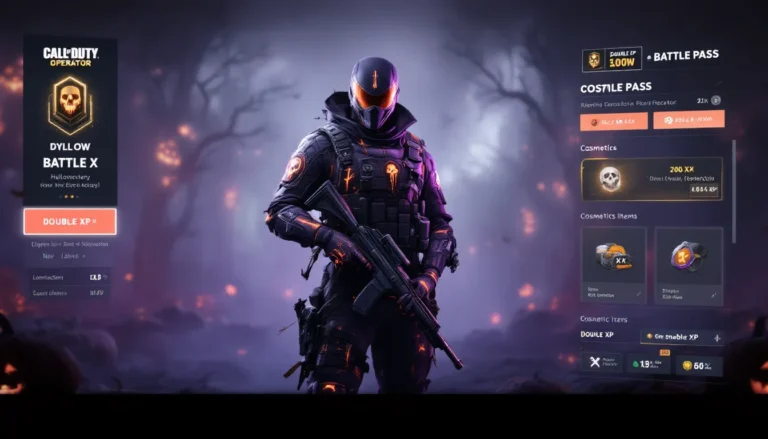
The battle pass cosmetic lineup is stronger this season. Weapon blueprints are more creative, the Obsidian Dream AK-74 blueprint has actual visual flair instead of just a color swap. Finishing moves are over-the-top in the best way, and the end-of-season anime-inspired rewards are fire if that’s your style.
Campaign Story And Narrative Updates
The single-player campaign kicks into overdrive this season with a three-chapter arc that directly ties into ongoing character developments. Expect callbacks to Season 3 events and new plot threads that matter for the broader lore.
Plot Developments And Character Arcs
Season 4 focuses on Task Force 141’s response to a rogue military faction operating in the Georgian region. The story splits focus between two playable characters, offering different perspectives on the same conflict. Without spoiling specifics, there’s a significant betrayal moment that reshapes the narrative’s direction for future seasons. The writing is solid, character motivations feel earned, and dialogue avoids the heavy-handed exposition that plagued earlier campaigns.
In Call of Duty Spec, similar narrative beats emerge. The campaign missions interlock with broader world-building, so players who care about the story should pay attention to environmental details and intel pickups.
Mission Structure And Difficulty Modes
Campaign missions now offer four difficulty tiers: Recruit, Regular, Hardened, and Veteran. Veteran difficulty isn’t just higher damage and faster enemy reactions, enemy AI uses tactics like flanking and coordinated suppression. There’s actual challenge here, not artificial padding. Mission structure varies, some are linear gauntlets, others offer multiple approach paths. A hostage rescue mission, for example, lets you go stealth, go loud, or split the difference with a mixed approach.
Checkpoint systems are generous. You won’t replay 10 minutes of setup after a death. The difficulty sweet spot for most players is Hardened, it demands accuracy and positioning without feeling unfair. Speedrunners are already breaking Veteran times, and the community’s already cataloging optimal routes.
Multiplayer Gameplay Improvements
Multiplayer received the most patches this season, addressing everything from spawn logistics to UI clarity. The changes stick, they’re not cosmetic tuning but structural improvements.
Ranked Play And Competitive Features
Ranked season 4 introduces a hard reset at the tier level, meaning even previous Grand Masters start at Platinum. This keeps the ecosystem fresh and gives grinders something to work toward immediately. The ranking system now factors in objective play more heavily, you can’t frag out and ignore the objective in search modes anymore. Point multipliers reward planting/defusing and capturing flags, so casual slayers need to adapt their approach.
Promotion and relegation thresholds shifted slightly. You need 65% win rate to climb (down from 70%), which makes grinding more achievable for above-average players. The seasonal leaderboard is now visible in real-time, and that transparency is driving healthy competition.
New Game Modes And Limited-Time Events
Demolition Onslaught drops this season as a permanent addition. It’s search-and-destroy chaos, both sites have active defenses (mounted turrets, spawning utility), and teams must overcome environmental hazards alongside enemy fire. The mode forces adaptation and rewards smart equipment usage.
Double Agent rotates in as the seasonal limited-time mode. One random player per team is secretly working against their squad, creating paranoia and hilarious moments when the traitor’s identity is revealed mid-round. It’s pure chaos, and community response has been overwhelmingly positive. The mode also appears in Warzone season 4 release date rotations, expanding its footprint across playlists.
Weekly challenges tie into seasonal events, currently a “Lockdown” event where players complete daily objectives for cosmetic rewards. These aren’t grindy: most people finish the weekly checklist in 4-5 hours of casual play.
Zombie Mode And Co-Op Enhancements
Zombies got serious love this season. The mode shifted from survival-focused gameplay to progression-based objectives that feel rewarding even if you go down.
New Zombie Rounds And Enemy Types
Rounds 1–10 feature standard walkers, but round 11 introduces Sappers, exploding zombies that force players to maintain distance and manage crowd control differently. Round 20 brings Templars, armored undead with melee attacks that one-shot at close range. These new enemy types demand loadout adjustments. Running a close-quarters shotgun setup becomes a liability against Templars.
Round 35+ introduces Harvesters, zombies that drain player health in proximity while empowering nearby zombies. They’re punishing to bad positioning and force team coordination. The difficulty curve is steep but fair, every new enemy type signals a gameplay shift, and strategies that worked in earlier rounds become obsolete. That’s good game design.
Co-Op Progression And Rewards
Progressions now tied to Essence, a currency earned by completing round milestones and surviving environmental hazards. Essence unlocks weapon tiers, perks, and final-round power-ups. This replaces the old random-drop system, giving players agency. You can’t blame RNG when you lose, you either earned enough Essence or you didn’t plan your upgrades correctly.
Co-op rewards scale with round completion. Reaching round 20 solo nets basic cosmetics. Reaching round 35+ with a squad unlocks rare weapon skins and finisher animations. Leaderboards track both solo and squad runs, incentivizing both playstyles. The seasonal zombie rewards are solid, character skins actually fit the horror aesthetic instead of looking out of place.
Meta Weapons And Loadout Recommendations
The Season 4 meta shifted significantly from Season 3. New weapon balance changes forced players to reassess their go-to loadouts, and the competitive scene is still stabilizing around optimal picks.
Best Assault Rifles For Season 4
The XM4 remains the assault rifle baseline. It hits at 32 damage per shot with a 0.085-second TTK in optimal conditions. Pair it with a VLK 3.0x optic, Field Agent Grip, and a 40-round magazine. This loadout balances range and mobility, you’re not locked into long-range engagements, but you’re competitive out to 40 meters.
The AK-74 is the aggressive pick now. The recent nerf brought it to 34 damage per shot, but its faster fire rate compensates. At close-to-medium range (under 30 meters), the AK-74 outduels the XM4. Run it with a Tactical Stock for ADS speed, Compensator muzzle for recoil control, and a Reflex Sight for clean target acquisition. Slide around corners and abuse the higher TTK in close fights.
The GPMG-7 filled a niche this season, it’s technically an LMG, but its 45-round magazine and consistent accuracy make it viable in 6v6. Use it for anchor holds in objective modes. You’ll shred players pushing your position because the magazine capacity lets you trade favorably.
Optimal Tactical And Lethal Equipment Builds
Frag Grenades are the meta lethal. They have a 4-second timer, decent blast radius, and reliable damage. Pair them with Stun Grenades for your tactical slot, a well-timed stun disables aim assist briefly and disorients enemies enough for a clean kill. This combo dominates close-quarters maps like Rust Harbor.
For longer-range engagements, swap to Molotov Cocktails. They deny area and force movement. Combined with Decoy Grenades, you can split enemy focus while your team pushes. This works especially well in search modes where enemies camp predictable spots.
Other viable options include Semtex grenades (harder to counter-play) and C4 for destroying killstreaks and tactical setups. The meta is flexible enough that your playstyle dictates your throwable choice. According to pro player settings and configurations, most competitive players stick with Frag + Stun for consistency.
Battle Pass And Seasonal Rewards
The Battle Pass expanded to 100 tiers this season with no price increase, still 1000 COD Points ($9.99). The progression curve is generous, and free-to-play players can snag solid cosmetics without spending.
Tier Progression And Premium Content
Each match awards Battle Pass XP based on performance. Win a multiplayer game and you’ll net roughly 500–800 XP depending on score. A single tier requires 1,500 XP, meaning you can grind a tier per 2–3 matches if you’re performing well. Premium cosmetics start at tier 10 (operator skin), with weapon blueprints scattered throughout the pass. The tier 50 reward is exceptional, a fully themed operator bundle with execution, calling card, and emblem that actually looks like it belongs together instead of copy-pasted assets.
Tier 100 is the prestige reward: an exclusive weapon charm that glows in-game, a legendary weapon blueprint, and a calling card. It’s the carrot that keeps players grinding. The good news: tier 100 is achievable for casual players. You don’t need to play 8 hours daily. Moderate play (2–3 hours daily) will get you there by season’s end.
Free-To-Play Tier Unlocks
Free players get access to every other tier, roughly. Tier 1 (free), tier 3 (free), tier 5 (free), etc. This means free-to-play players unlock 20–25 cosmetics across the battle pass. The free operator skin (tier 7) is actually decent, it’s not a throwaway asset. Free weapon blueprints are simpler, but they’re functional and look clean.
The accessibility here matters. Call of Duty Warzone season 4 benefits from this because free players stay invested in cosmetics and seasonal progression. They’re not completely locked out of the cosmetic economy. That design choice keeps the playerbase engaged without forcing spending.
Challenge completions also award tier skips. If you grind weekly challenges, you’ll earn 5–10 tier skips per week. That’s essentially free progression beyond base XP. Seasonal challenges are achievable, plant 50 bombs, get 25 headshots, win 10 matches, and they reward players for playing naturally instead of grindy nonsense.
Esports And Competitive Scene Updates
The Call of Duty esports calendar is packed this season. Call of Duty Tournament 2024 set the stage, and Season 4 continues that momentum with franchised leagues and open qualifiers running simultaneously.
The CDL (Call of Duty League) structured its Season 4 around the new multiplayer meta. Teams are reworking strategies around the nerfed assault rifles and buffed SMGs. Specialists who excelled on single-AR setups are adapting, and flex players who can swap between weapon classes have a competitive advantage. The first week of matches showed wild variability, no team cracked a bulletproof strategy yet, making broadcasts genuinely unpredictable.
Open qualifiers for regional tournaments start next month. These are massive for aspiring pros because they’re the pipeline to franchise trials. If you’re a high-ranked player with decent mechanics, this is your shot. Teams are actively recruiting, and franchises are scouting qualifier performances.
According to Dexerto’s esports coverage, sponsorship deals for mid-tier teams are more lucrative than previous seasons, incentivizing competitive infrastructure investment. More money in the scene means better content, bigger tournaments, and more opportunities for streamers and pros to make gaming a career.
Tips For Mastering Season 4
Whether you’re grinding ranked or just vibing in public matches, these tips accelerate your improvement and help you adapt to the Season 4 meta faster.
Beginner Strategies And Map Control
Start by learning map flow. Spend a few matches walking around each new map without firing, identify choke points, power positions, and respawn locations. Know where enemies spawn so you can pre-aim sightlines. This single habit cuts your deaths in half immediately.
Prioritize map control over kills. If your team controls three power positions and the enemy has one, you’ll trade favorably in any fight. Position yourself where you can support teammates, not isolated corners where you’re a one-for-one trade. Watch pro streams using The Loadout’s weapon guides and note how pros position themselves in early rounds.
Loadout-wise, stick with the XM4 + Stun Grenade combo until you develop consistent aim and game sense. Don’t chase exotic weapons or controversial picks, master the basics first. Your gun skill matters more than gun selection at beginner levels.
Advanced Tactics For Experienced Players
Experienced players should exploit the AK-74’s aggressive profile. Push angles aggressively in the first 10 seconds of each round before enemy positions solidify. High-tier players call this “tempo control.” You dictate pace, and pressured enemies make mistakes.
Equipment economy matters now more than ever. In search modes, communicate with your team about spending. Buy utility (grenades, UAVs, armor plates) strategically. A full buy on round 2 with armor lets you survive firefights you’d lose otherwise. Half-buys and eco rounds exist in previous seasons, but Season 4 punishes bad economy harder due to the weapon rebalance.
Ditch the reflex sight and use iron sights on your primary weapon once your aim tightens. Removing the sight gives you cleaner visuals and faster ADS. Top competitors play iron-sighted weapons because it’s a skill multiplier. Your crosshair placement becomes the optic.
In Warzone specifically, rotating with your squad matters more than individual gunfight skill. The new map rotation means new cover patterns and sightlines. Land in less-populated areas initially to gear and rotate toward the second circle intentionally. Avoid midgame chaotic fights, third-partying is inevitable, so position yourself advantageously when it happens.
Final tip: watch your own gameplay back. Review deaths to understand what went wrong. Was it positioning, aim, or decision-making? Most players die due to bad decisions, not bad aim. Recognizing patterns in your deaths accelerates improvement significantly.
Known Issues And Developer Communication
Season 4 launched clean, but a few issues emerged in the first week that developers are actively addressing.
Audio bug: Footstep sound sometimes fails to trigger in multiplayer, making sneaky flanks harder to detect. The development team identified it and deployed a hotfix 18 hours after patch launch. If you’re experiencing this, verify your game files through your platform’s options.
Zombie mode crash: A rare crash occurs when a Harvester spawns while a player deploys C4. The fix is live, but if you encounter stuttering before the patch fully propagates, avoid that specific equipment combo.
Battle Pass tracking: Some challenges (especially time-based ones) occasionally don’t trigger correctly. This is annoying but doesn’t prevent tier progression. Just complete them again and they’ll track properly. The developers are investigating root cause and promised a fix within two weeks.
Developers communicate weekly through Call of Duty for PS5 patch notes and official Twitter/X accounts. They’re responsive to game-breaking issues, less responsive to balance complaints (which is appropriate, they let the data inform balancing, not the loudest voices).
Transparency is solid this season. They published the full balance patch early, so players understood changes before launch. That professionalism builds trust, and the community’s responded positively. Expect communication to remain consistent throughout the season.
Conclusion
Call of Duty Season 4 is the franchise’s strongest seasonal offering in years. The weapon rebalancing solved meta stagnation, new maps feel genuinely different, and the campaign narrative justifies single-player investment. Whether you’re chasing ranked rewards, grinding cosmetics, or discovering Zombies for the first time, there’s depth here that rewards engagement.
The seasonal progression feels fair, cosmetics have actual appeal, and the competitive scene is thriving. Jump in, learn the meta, and find your playstyle. The grind is real, but it’s rewarding.