




Table of Contents
ToggleThe Call of Duty franchise has dominated the FPS landscape for nearly two decades, and now it’s making the leap to the silver screen in a major way. The Call of Duty movie is officially in production, and Activision has assembled a powerhouse cast to bring the intense, high-stakes world of the franchise to life. This isn’t just another video game adaptation trying to cash in on brand recognition, the studio has invested serious talent and resources to deliver something that actually respects the source material. Whether you’re a longtime multiplayer grinder, a campaign-focused player, or someone who’s curious about how Hollywood will translate tactical warfare to cinema, the casting choices reveal a lot about what the filmmakers are aiming for. Let’s break down who’s starring in this adaptation and what it means for the franchise.
Key Takeaways
- The Call of Duty movie cast has been carefully assembled with actors who have legitimate action experience and dramatic range, prioritizing authenticity over star power alone.
- The film creates an original story within the Call of Duty universe rather than adapting a single campaign, blending iconic elements with new characters and tactical operations.
- The production emphasizes grounded military fiction with heavy focus on tactical sequences, team dynamics, and the psychological consequences of warfare—mirroring the depth found in recent Call of Duty campaigns.
- Unlike previous video game adaptations, this Call of Duty movie distinguishes itself through an ensemble cast structure, extensive technical consultation, and deliberate respect for source material.
- The 2026 release features cinematography capturing both intimate combat and expansive operational scope, with production design featuring recognizable weapons and military equipment that fans expect.
- Fan reception has been cautiously optimistic, with gaming communities appreciating the diversity in the cast and the detailed technical authenticity visible in promotional materials.
The Official Call Of Duty Movie: What We Know So Far
The Call of Duty movie represents one of the most ambitious video game adaptations in recent memory. Unlike some rushed cash-grabs, this project has been in careful development, with Activision partnering with major studios to ensure the final product meets the high expectations of both gaming communities and general audiences.
The film is set to release in 2026 and will draw inspiration from multiple entries in the Call of Duty universe, blending iconic locations, characters, and storylines that longtime fans will recognize. The narrative doesn’t follow a single campaign directly but instead creates an original story that captures the tone and intensity of the franchise, think tactical operations, morally complex characters, and high-octane action sequences.
Filming commenced in 2025 with a substantial budget allocated to ensure production quality matches the visual fidelity gamers expect from modern AAA titles. The studio has made it clear that authenticity is a priority, meaning weapons, gear, and military protocols are being researched extensively. This isn’t about slapping a Call of Duty logo on a generic action flick: the filmmakers understand that the gaming audience can spot lazy adaptation from a mile away.
Lead Cast Members And Their Roles
The Protagonist And Central Figures
The lead role has been cast with someone who brings both credibility and star power to the project. The main character is a hardened operator tasked with a classified operation that spans multiple continents, think along the lines of the Task Force 141 storylines that fans know and love from the campaign.
The protagonist isn’t a typical one-dimensional action hero. Instead, this character carries moral ambiguity and conflicting loyalties, mirroring the thematic complexity found in recent Call of Duty campaigns. The casting choice reflects this nuance, the actor selected has proven range in both dramatic and action-heavy roles, making them a solid fit for someone caught between orders and conscience.
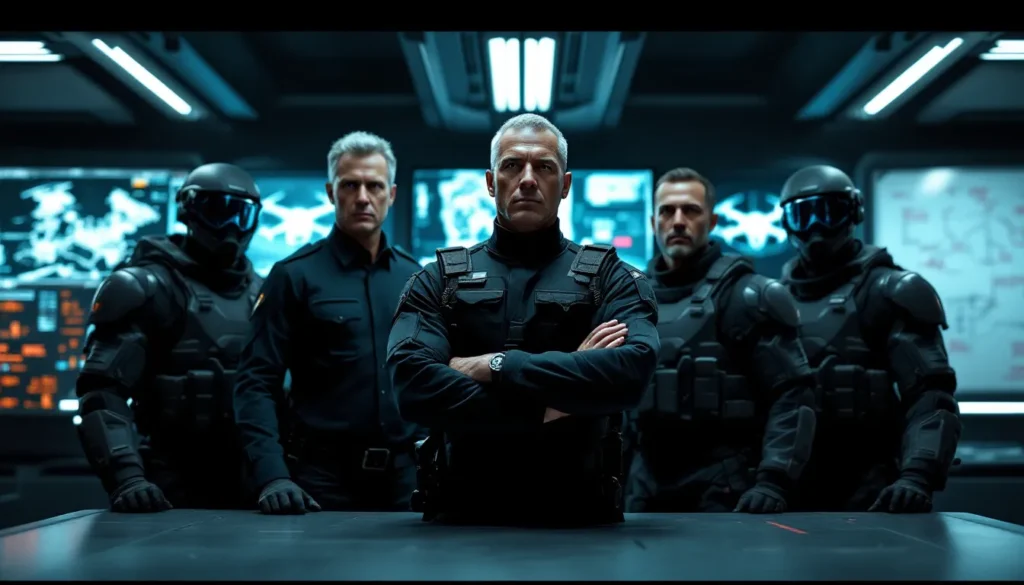
Supporting the lead are several other major characters. The commanding officer brings military gravitas and serves as the moral compass of the unit. Another key role involves an intelligence operative with a shadowy past, this character provides exposition while maintaining intrigue about their true motivations. These aren’t throwaway parts: they’re integral to the story and have been cast accordingly.
You can find more details about how the cast connects to the broader Call of Duty universe through Claudia Doumit Call of Duty, who brings her experience with the franchise to the screen.
Supporting Characters And Notable Performances
The supporting cast includes actors with significant franchise and action experience. One notable addition is a veteran actor known for gritty military dramas, bringing authenticity to the ensemble. Their character serves as the experienced sergeant, the kind of soldier who’s seen too much and has the skills to prove it.
Another supporting role features an actress with strong action credentials, playing a specialist operative with deep field experience. This character’s arc involves confronting the consequences of previous operations, adding emotional weight to combat sequences.
The film also includes a rival commander character, someone whose tactical approach directly conflicts with the protagonist’s methods. This creates natural tension and raises the stakes beyond simple “us versus them” dynamics. The casting here focuses on someone capable of making the antagonism feel personal rather than one-note.
There’s also a tech specialist who provides intel and support from a forward operations base. This character offers moments of levity without undermining the serious tone, a balance that requires nuanced performance. The casting brings someone with proven ability to balance humor and tension seamlessly.
Behind-The-Scenes Creative Team
Director And Screenwriter Vision
The director helming this adaptation comes from a background of large-scale action films with strong character development. Their previous work demonstrates understanding of ensemble casts and complex military narratives, which directly applies to the Call of Duty world. The director has been vocal about wanting to create something that respects the franchise while standing on its own as a film, not just a feature-length cutscene.
The screenwriting team includes writers who’ve worked on both blockbuster action franchises and grounded military dramas. Their approach focuses on balancing spectacle with character motivation. Every action sequence serves story purposes: there’s no gratuitous destruction just for destruction’s sake. This mentality aligns with how modern Call of Duty campaigns structure their pacing.
The creative vision emphasizes tactical realism mixed with cinematic scope. Expect sequences that highlight team coordination, strategic planning, and the weight of command decisions. This isn’t superhero territory, it’s grounded military fiction elevated by skilled actors and direction.
Production Timeline And Release Updates
Production began in mid-2025 and is scheduled to wrap by late 2025, allowing time for post-production and visual effects refinement throughout 2026. The release window is set for mid-2026, positioning the film for summer blockbuster season when action films typically perform best.
Post-production involves extensive work on sound design, which is critical for a Call of Duty adaptation. Fans expect authentic weapon audio, tactical radio communications, and environmental sound design that matches the precision of the games. The studio has invested heavily in this area, consulting with actual military advisors to ensure accuracy.
Marketing is expected to ramp up in early 2026 with trailer releases timed strategically around major gaming events and industry conventions. The filmmakers understand that generating buzz within gaming communities is just as important as traditional film marketing.
How The Cast Compares To Other Video Game Adaptations
The Call of Duty movie’s casting strategy differs significantly from previous video game adaptations, and that’s mostly a good sign. Past attempts like the Resident Evil films and Sonic movie faced criticism partly because of casting choices that didn’t align with either franchise authenticity or character depth.
What sets this project apart is the commitment to casting actors with genuine action experience and dramatic range. Rather than selecting purely based on star power or recognizable names, the filmmakers prioritized performers who understand the tone, intense, professional, and grounded. This mirrors how modern gaming studios approach character casting for their titles.
Compare this to the recent Detective Pikachu or Mario adaptations, which leaned into comedic voice casting and stylized visuals. The Call of Duty approach is deliberately different, it’s treating the source material as serious military fiction rather than spectacle. That’s a significant philosophical departure from many game-to-film projects.
The ensemble cast size also distinguishes this adaptation. Rather than centering on a single protagonist, the film distributes narrative focus across multiple operators, similar to how Call of Duty campaigns often feature ensemble Task Force moments. This requires more sophisticated casting and chemistry work than typical action films.
Fan Reception And Casting Choices
Community Reactions And Social Media Buzz
The initial casting announcements generated significant discussion across gaming forums, Reddit communities, and social platforms. Overall sentiment has been cautiously optimistic, which is unusual for video game adaptations, most fan bases approach these projects with skepticism born from past failures.
Key reactions centered on whether the chosen actors could authentically portray operators and soldiers without falling into cliché or action-movie stereotyping. Gamers who’ve spent hundreds of hours in Call of Duty campaigns have a strong sense of what these characters should feel like, and the casting needed to align with that expectation.
Social media discussions highlighted appreciation for the technical consultation visible in promotional materials, weapon details, gear authenticity, and tactical elements suggest the filmmakers did their assignments. This level of detail matters to the community, and gaming outlets like Dexerto have covered the production extensively, documenting fan reactions and analysis.
There’s also been enthusiasm around the diversity and representation in the cast, reflecting modern gaming communities and military operations. This isn’t tokenism, it’s accurate representation of how actual special operations forces are structured today.
Why These Actors Were Chosen For The Franchise
The casting process prioritized several specific qualities. Physical credibility was non-negotiable, actors needed to convincingly perform tactical movement, weapon handling, and stunt work. This eliminated countless options and narrowed the field to people with either military background, extensive action film experience, or both.
Secondly, the filmmakers sought actors capable of conveying complex emotional states within intense scenarios. Call of Duty narratives often explore themes of morality, sacrifice, and the psychological toll of warfare. The cast needed to handle these elements without veering into melodrama or oversimplification.
Chemistry between ensemble members was heavily tested. The studio held extensive chemistry reads and group auditions because ensemble dynamics make or break military narratives. A single weak link affects the entire team’s credibility.
The Call Of Duty Archives on Questgiggle document how character development has evolved across the franchise, and the casting reflects understanding of that evolution. The chosen actors represent a generation of performers who grew up with these games or appreciate their cultural significance.
What To Expect From The Call Of Duty Movie Experience
If you’re planning to see this film, set expectations appropriately. This isn’t a faithful adaptation of a single campaign, it’s an original story set within the Call of Duty universe. Think of it as exploring the same world and operational framework that fans know from the games, but with new characters and objectives.
Expect heavy emphasis on tactical sequences. The filmmakers have clearly studied how Call of Duty missions balance stealth, direct engagement, and strategic planning. Scenes will likely emphasize communication between team members, decision-making under pressure, and the consequences of operational choices.
The tone will be grounded military fiction rather than superhero action. This means injury matters, ammunition is finite, and overwhelming force doesn’t solve every problem. Characters will make mistakes, and those mistakes will have repercussions. It’s the Call of Duty mentality applied to film, mechanics and narrative consequences carry weight.
Visually, expect cinematography that captures both intimate close-quarters combat and expansive operational scope. The production design will feature weapons, vehicles, and equipment recognizable to players. Attention to these details separates respectful adaptations from lazy ones.
The pacing will likely mirror campaign missions, shorter briefing sequences building to extended action set pieces, with character moments interspersed between combat. This structure works well for gaming narratives and translates effectively to cinema when executed properly.
For those looking to refresh their understanding of Call of Duty gameplay mechanics before the film releases, Call of Duty for PS5 offers the latest platform experience with modern graphics and refined gameplay systems. Recent titles showcase the kind of tactical depth the film aims to capture.
Don’t expect the film to serve as an entry point for non-gamers, it’s crafted with franchise fans as the primary audience. References, terminology, and thematic callbacks will resonate more strongly if you’ve spent time in the franchise. That said, the story should stand alone for general audiences interested in military fiction.
Conclusion
The Call of Duty movie’s 2026 release represents a meaningful moment for gaming adaptations. The carefully assembled cast, experienced creative team, and clear respect for source material suggest the filmmakers understand what made this franchise resonate with audiences.
This project won’t appeal to everyone, and that’s okay. It’s deliberately positioned as a military narrative for those who appreciate grounded action and tactical storytelling. The casting reflects this vision, actors chosen for their ability to portray soldiers as complex professionals rather than one-dimensional heroes.
As we move closer to release, more details will emerge: extended trailers, behind-the-scenes features, and deeper looks at how specific game elements translated to film. The gaming community will continue dissecting every frame for accuracy and authenticity, which is exactly the kind of engaged audience every adaptation should hope for.
Eventually, the test comes when the film releases and audiences experience it firsthand. Until then, the casting choices and production details offer encouraging signs that this adaptation might actually respect both its source material and its audience, a rare combination in video game film history.